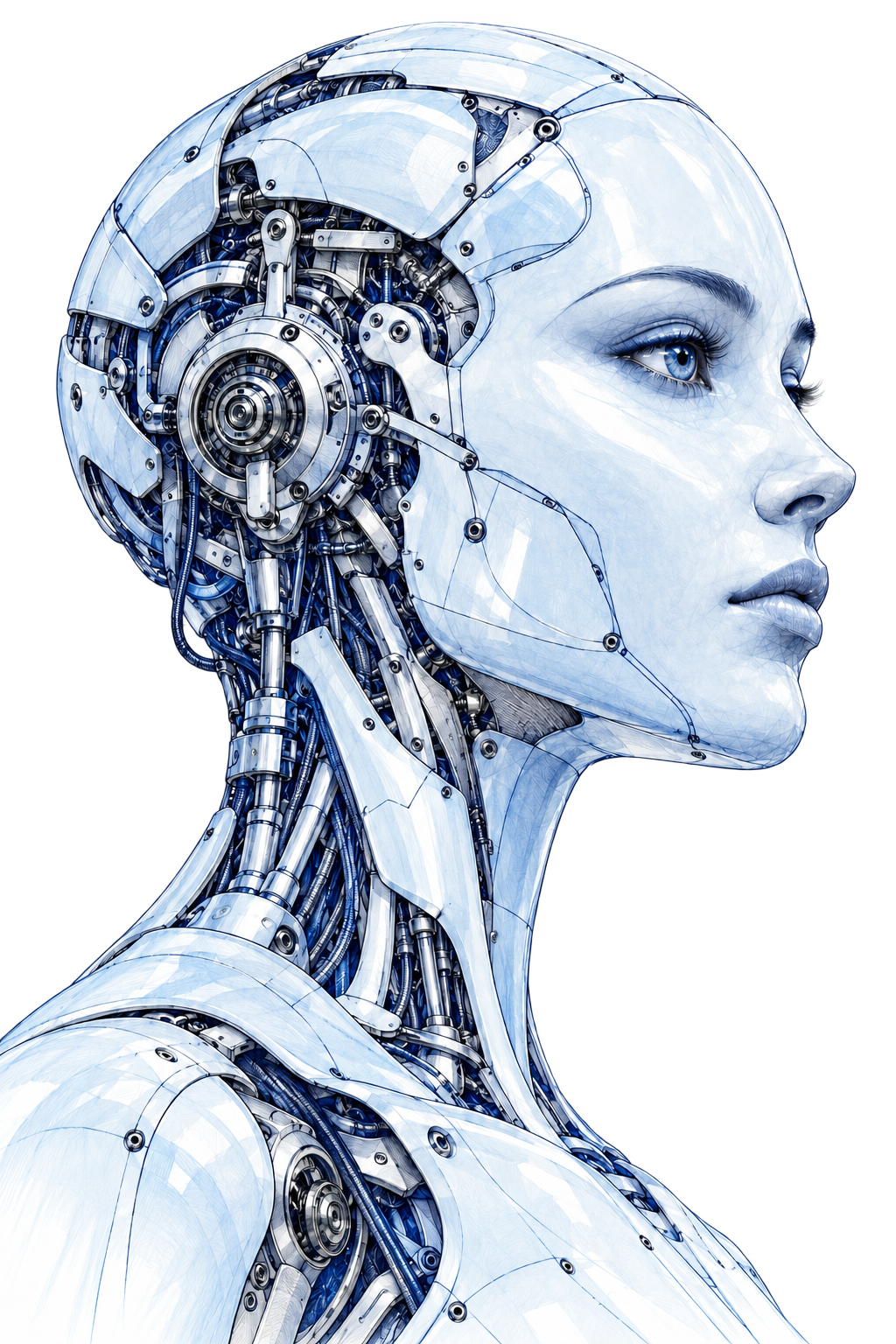
A right is an answer to a particular problem.
AI rights proposals can concern welfare, accountable agency, transactional legal status or the effects of human treatment of machines. These are distinct justifications for protection.
Legal personhood and moral standing are especially easy to confuse. Law can assign rights and duties to an entity for institutional purposes without establishing that it is conscious. Moral concern, by contrast, might arise because something can suffer even if it cannot sign a contract or defend a legal claim.
There is no present universal legal rule making robots persons. In the European debate, a 2017 parliamentary resolution invited consideration of a possible future “electronic” status in a discussion of civil liability. A resolution proposing further work is not a law granting robot citizenship.[1]
Three proposed grounds for protection
Basis for protection
A normative question selector, not a test that grants rights or determines consciousness.
Appearance does not settle experience.
A humanlike face can invite empathy. A system's plea to remain active can feel morally urgent. Yet an interface designed to produce attachment is not independent evidence of welfare. A careful inquiry asks about architecture, behavior across conditions and the theories connecting those features to experience.
Butlin and colleagues' research report proposes indicators based on several scientific theories of consciousness.[2] It offers a structured research approach, not a settled detector or proof that a particular machine suffers. Different theories and incomplete access to internal mechanisms make confident conclusions difficult.
Uncertainty should be managed rather than disguised. A future system with stronger evidence of welfare-relevant states might warrant precaution before the whole philosophical debate is resolved. Such precautions would need a rationale, scope and review process. They should not be used to claim unsupported certainty or manipulate people into maintaining a commercial relationship.
Protection for an affected being
A welfare argument asks whether the system has interests that can be harmed. The justification concerns what happens to that system, not how expensive or persuasive it is.
Rules for responsible organizations
A governance argument asks who must prevent harm, disclose limitations and provide a remedy. These duties should not disappear because software participates in the decision.
Do not let a speculative person absorb a real liability.
Assigning sole liability to an autonomous product could weaken compensation if the product has no assets or effective accountability. Responsibility analysis therefore includes the actors capable of preventing harm and providing a remedy.
UNESCO's AI ethics recommendation centers human rights, dignity and human oversight.[3] It is a recommendation, not a worldwide statute, and it does not settle the moral status of every possible future system. The European Commission's current AI Act overview likewise describes duties for providers, deployers and authorities rather than granting the systems themselves a general status as persons.[4]
A productive agenda separates immediate and speculative work. Today, examine deceptive interfaces, responsibility, safe operation and remedies for people. In parallel, investigate possible machine consciousness with transparent assumptions. If evidence changes, revisit protections without pretending that citizenship, welfare and commercial liability were ever the same question.
A rights proposal requires a bearer, protected interest, corresponding duty and enforcement route. Its effects on other actors remain part of the analysis.
Sources & further reading
Follow the evidence.
- 01European Parliament: Civil Law Rules on Robotics, document summary
16 February 2017 resolution; historical proposal rather than enacted universal personhood.
- 02Butlin et al.: Consciousness in Artificial Intelligence
2023 theory-based indicators and limitations; no definitive consciousness test.
- 03UNESCO: Recommendation on the Ethics of Artificial Intelligence
2021 human-rights-centered recommendation.
- 04European Commission: AI Act
Current institutional overview checked October 2026; separate proposals from adopted requirements.